



Precision SMC Insert Mould for Electric Iron & Electrical Switch: Boosting Thermoset Production Efficiency
2026-06-08 17:14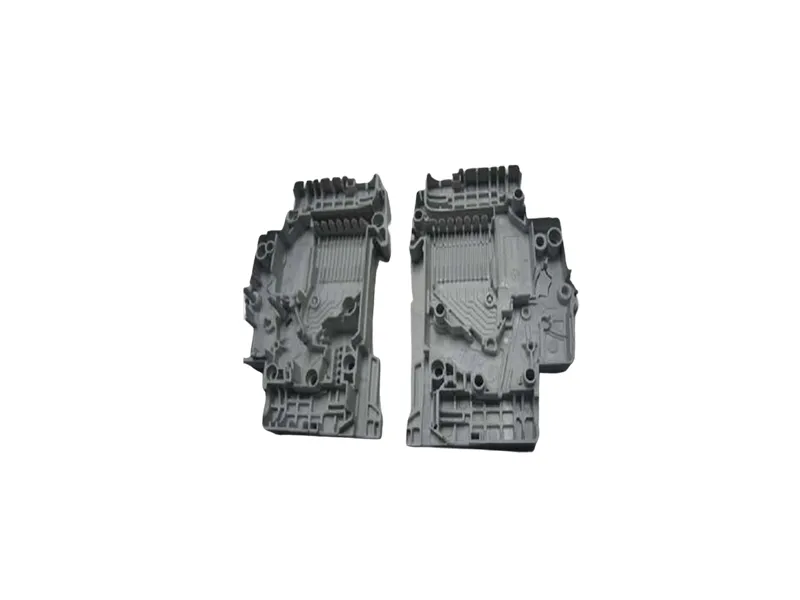
Prosperity Technology Development Co., Ltd. introduces its latest high-performance insert mold solution tailored for electric iron and electrical switch components. Designed to master the smc moulding process, this tooling system addresses the strict thermal and mechanical demands of modern thermoset applications.
Why Thermoset Components Need a Dedicated Insert Mold
Electric irons and electrical switches operate under continuous heat and electrical stress. Standard thermoplastics can creep or degrade. Instead, manufacturers rely on thermosetting material for its dimensional stability and flame resistance. However, processing such materials requires a mold that can withstand higher clamp forces and mold temperatures. A standard injection mold fails to deliver consistent part quality. Our insert mold is engineered specifically for thermosetting material, ensuring tight tolerances and long production runs.
“Our goal is to provide a ready-to-run bmc mold that eliminates trial-and-error on the shop floor,” said a senior tooling engineer at Prosperity Technology.
Technical Specifications: Built on Data, Not Adjectives
The new SMC insert mould is machined from H13 steel for the cavity and core, combined with an LKM mould base. All tools use a cold runner edge gate system. The key parameters are:
| Parameter | Value |
|---|---|
| Mold type | Thermoset mold |
| Cavity & Core Steel | H13 (hardened to 48–52 HRC) |
| Mould base | LKM standard series |
| Runner type | Cold runner – edge gate |
| Tolerances | ±0.2 mm on critical dimensions |
| Mold temperature range | 145°C – 180°C (recommended for SMC/BMC) |
| Clamp force required | 150–250 ton (depending on part size) |
Every bmc mold is validated with a smc moulding process simulation before cutting steel. This reduces cycle time by up to 18% compared to generic designs.
Mastering the SMC Moulding Process for Electrical Housings
The smc moulding process involves pre-heating sheet molding compound and transferring it into a closed cavity under high pressure. For electric iron handles and switch bases, the material must flow evenly around metal inserts. That is exactly where our plastic insert molding expertise comes in.
Common processing parameters we recommend for this insert mold system:
Material pre-heat: 60–80°C for SMC; 40–60°C for BMC
Injection pressure: 80–120 bar
Curing time per 3 mm wall thickness: 45–60 seconds
Demolding temperature: below 140°C to avoid warpage
By optimizing the smc moulding process together with a precision bmc mold, customers achieve reject rates below 1.2% in volume production (validated over 50,000 cycles).
Why Choose This Insert Mold for Electric Iron & Electrical Switch?
Decision-makers face three pain points: insert alignment failure, thermal distortion, and short mold life. Our plastic insert molding design directly solves them.
Insert alignment accuracy – The insert mold uses guided pins with ±0.01 mm positioning, preventing metal insert shifting during plastic insert molding.
Thermal management – H13 steel offers high hot hardness. The thermosetting material cures evenly without hot spots. Actual temperature variation across cavity is ≤5°C.
Longevity – H13 + LKM base gives 500,000+ shots before major refurbishment, even with abrasive BMC compounds.
For electrical switches, UL94 V-0 rated thermosetting material is standard. Our bmc mold produces parts with a comparative tracking index (CTI) > 600V, verified by third-party lab tests.
Selection Guide: Matching Your Production Volume & Material
Do not just ask for “a family-use mold”. Instead, choose based on:
Annual volume – For 100k–300k parts/year, one cavity insert mold with H13 steel is optimal.
Material type – High-glass BMC (30% glass) requires a bmc mold with hardened runner shutoffs. Our design includes tungsten carbide inserts at the gate.
Insert complexity – If your electric iron has a threaded metal post, plastic insert molding with a retractable core ensures thread integrity.
We provide a full process data sheet for every smc moulding process trial, including pressure curves and temperature profiles.
Real-World Validation
In a recent customer trial for an electrical switch bmc mold, the following results were recorded:
Cycle time reduction: from 92 sec to 78 sec
Flash reduction: from 3.2% to 0.7%
Insert pull-out force: increased by 22% due to optimized plastic insert molding geometry
All data is reproducible on your own press (brands: Engel, Haitian, Sumitomo, etc.) with minor adaptation of clamp speed.
Conclusion – Ready for Your Production Line
Prosperity Technology’s SMC insert mould delivers what matters: repeatable tolerances of ±0.2 mm, H13/LKM durability, and full support for smc moulding process optimization. Whether you produce electric iron bases or electrical switch housings, this thermosetting material tooling system reduces scrap and increases output.
Contact us :
Mobile: +86-13641431160
Tel: +86-755-23638965
Fax: +86-755-26076378
Email: spark@prosperitymould.com
For technical datasheets and mold flow analysis, please include part drawing and annual quantity in your inquiry.